Source white coated paper matchbox for Gift, Craft, and Retail
Compare 30 listings for white coated paper matchbox options from Guangdong suppliers. Buyers can evaluate customization, printing methods, and pricing for gift, craft, and retail applications. Detailed specifications include drawer shapes, magnetic closures, and various liner types like kraft corrugated or plastic. Suppliers offer hot stamping, UV coating, and four-color printing to meet specific brand needs.
Key considerations
Products List
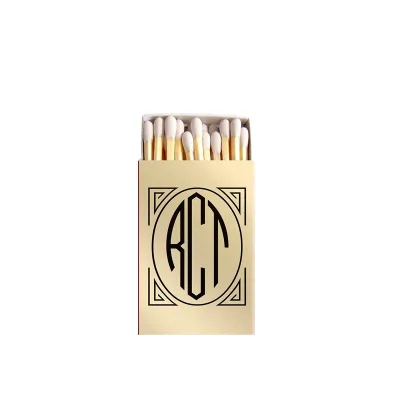
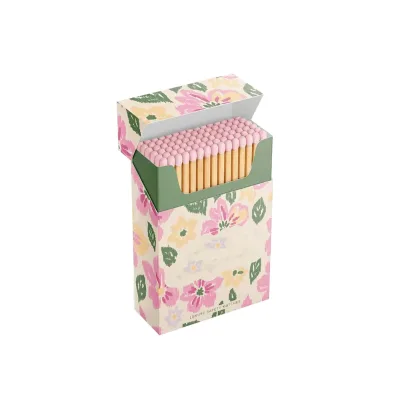


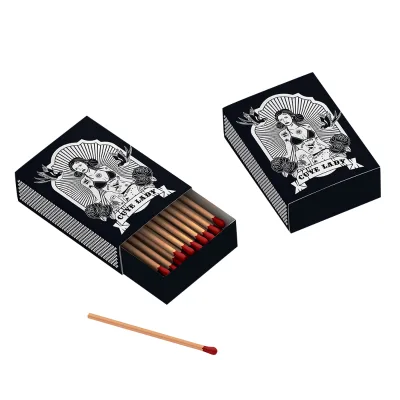
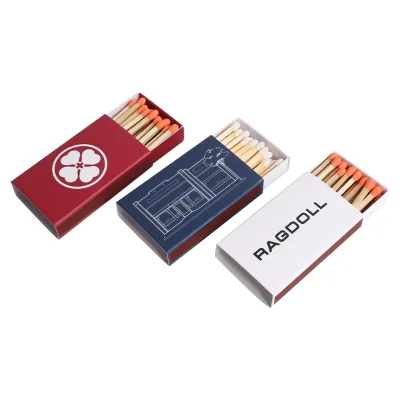
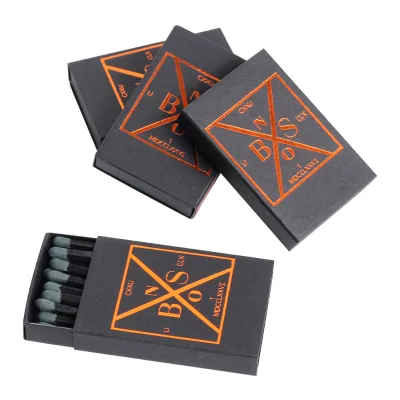


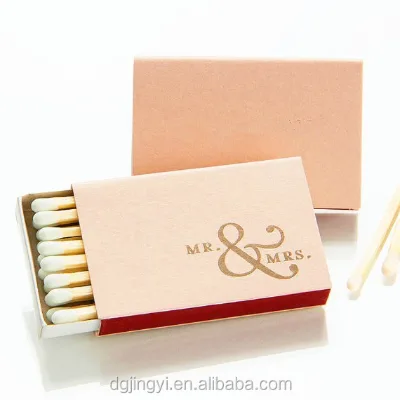


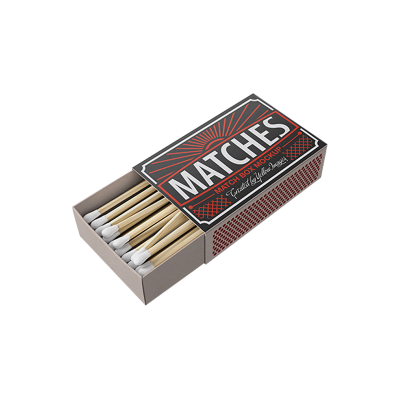
Comprehensive Sourcing Guide
White Coated Paper Matchbox Sourcing Guide
Sourcing white coated paper matchboxes requires a careful balance between aesthetic presentation and functional safety, particularly when dealing with products that house flammable materials. The observed market signals indicate a strong preference for customizable packaging solutions, with suppliers offering a wide range of printing techniques such as hot stamping, four-color printing, and UV coating. Buyers must recognize that these visual enhancements are not merely decorative but serve as critical brand differentiation tools in competitive retail environments. The material composition, primarily art paper, provides a sturdy yet lightweight structure that supports intricate design elements while maintaining the integrity of the inner liner.
Procurement teams should focus on verifying the specific construction details, such as drawer shapes and magnetic closures, which enhance user experience and perceived value. The presence of accessories like handles and ribbons suggests a shift toward premium gifting applications, moving beyond simple utility to lifestyle-oriented packaging. Understanding these design nuances is essential for aligning product selection with target market expectations. Buyers need to ensure that the chosen supplier can consistently replicate these complex features across large production runs without compromising the structural stability of the matchbox.
Product Scope and Observed Listing Signals
The current market landscape for white coated paper matchboxes reveals a diverse array of product configurations, ranging from standard drawer-style boxes to more elaborate gift box sets. Listings frequently highlight customization capabilities, allowing buyers to tailor sizes, colors, and finishes to specific brand identities. The observed price range is broad, reflecting variations in material quality, printing complexity, and order volume. This variability necessitates a thorough evaluation of each supplier’s capabilities to ensure that the quoted price aligns with the desired level of quality and service. Buyers should pay close attention to the specific model numbers and product names provided, as these often indicate distinct design features or target applications.
Furthermore, the inclusion of various liner types, including kraft corrugated, paperboard, sponge, and plastic, underscores the importance of selecting the appropriate internal structure for the specific match type being packaged. The observed accessories, such as ribbons and paper bags, suggest that many suppliers are positioning these products for high-end retail or promotional use. This trend indicates a growing demand for packaging that offers both protection and an elevated unboxing experience. Procurement specialists must carefully assess these scope signals to determine which suppliers can meet their specific functional and aesthetic requirements, ensuring that the final product meets all necessary safety and quality standards.
Technical Specifications to Verify
When evaluating technical specifications, buyers must prioritize the verification of material thickness and structural integrity, as these factors directly impact the durability of the matchbox. The observed thickness values vary, with some listings indicating 0.5 mm and others 0.1 mm, highlighting the need for precise specification alignment. Buyers should request physical samples to assess the rigidity and finish quality of the white coated paper, ensuring it meets the required standards for handling and storage. Additionally, the single package dimensions and gross weight should be confirmed to optimize logistics and storage efficiency, particularly for large-volume orders.
Printing handling techniques, such as embossing, lamination, and UV coating, significantly influence the final appearance and tactile experience of the product. Buyers must verify that the supplier can consistently apply these finishes without causing defects or compromising the paper’s structural integrity. The availability of custom sizes and colors allows for greater flexibility, but it also requires clear communication of design files and color codes to avoid discrepancies. It is crucial to confirm the accuracy of the model numbers and product names provided by the supplier, as these often correspond to specific technical configurations that may affect compatibility with existing packaging lines or retail displays.
Compliance and Safety Documentation
Safety compliance is paramount when sourcing packaging for matchboxes, as the contents are inherently flammable. Buyers must ensure that suppliers adhere to relevant safety standards for packaging materials, particularly regarding the flammability and chemical composition of the paper and adhesives used. While specific certification statuses may vary, it is essential to request documentation that verifies the materials meet international safety regulations. The presence of eco-friendly claims should be substantiated with appropriate certifications, such as FSC, to ensure that the sourcing practices align with sustainability goals. Buyers should also verify that the inner liners do not contain harmful substances that could react with the matches or compromise safety.
Documentation should also cover the manufacturing processes, ensuring that they do not introduce contaminants or defects that could affect the product’s performance. Buyers must confirm that the supplier has robust quality control measures in place to detect and prevent safety-related issues during production. This includes verifying the integrity of the magnetic closures and other accessories, which must not pose a choking hazard or interfere with the safe operation of the matchbox. Clear communication of safety requirements and regular audits of the supplier’s compliance records are essential to mitigate risks and ensure that the final product meets all necessary regulatory standards.
Cost Drivers and Commercial Terms
The cost of white coated paper matchboxes is influenced by several key factors, including material quality, printing complexity, and order volume. The observed MOQ of 10,000 pieces suggests that economies of scale play a significant role in pricing, with larger orders typically benefiting from lower unit costs. Buyers should carefully evaluate the trade-offs between customization options and cost, as features like hot stamping or UV coating can increase production expenses. It is also important to consider the sample costs, which can vary significantly depending on the complexity of the design and the materials used. Understanding these cost drivers helps buyers make informed decisions about their procurement strategy.
Commercial terms, such as payment methods and production lead times, also impact the overall cost of ownership. The observed payment terms, including T/T and Trade Assurance, offer varying levels of security and flexibility for buyers. Production times of 2-3 weeks are typical, but buyers should confirm these timelines with their chosen supplier to ensure they align with their inventory needs. Additionally, the availability of custom orders and logo printing services can add value but may also extend lead times. Buyers should negotiate clear terms regarding revisions, delays, and quality guarantees to protect their interests and ensure a smooth procurement process.
Supplier Qualification and Quality Control
Supplier qualification is a critical step in ensuring the reliability and consistency of white coated paper matchbox production. Buyers should assess the supplier’s manufacturing capabilities, including their equipment, workforce, and quality control processes. The observed place of origin, Guangdong, China, indicates a concentration of packaging manufacturers with established expertise in this field. However, buyers must verify the supplier’s track record, including their ability to meet deadlines and maintain consistent quality across large production runs. Requesting references and conducting site audits can provide valuable insights into the supplier’s operational efficiency and commitment to quality.
Quality control measures should be clearly defined and agreed upon before production begins. This includes establishing acceptance criteria for material quality, printing accuracy, and structural integrity. Buyers should also implement a robust inspection process, including pre-shipment inspections, to identify and address any defects before the products are delivered. The availability of samples allows buyers to evaluate the supplier’s ability to meet their specific requirements, but it is essential to ensure that the production batch matches the approved sample in terms of quality and appearance. Regular communication and feedback loops with the supplier can help maintain high standards and address any issues promptly.
Long-Term Procurement Checks
Long-term procurement success depends on establishing a sustainable relationship with suppliers who can consistently meet evolving business needs. Buyers should regularly review supplier performance metrics, including on-time delivery, quality consistency, and responsiveness to issues. The observed customization capabilities suggest that suppliers are adaptable, but buyers must ensure that these capabilities remain reliable over time. Regular audits and performance reviews can help identify areas for improvement and ensure that the supplier continues to meet the required standards. Building a strong partnership with a reliable supplier can lead to better pricing, improved service, and greater flexibility in meeting market demands.
Additionally, buyers should stay informed about industry trends and regulatory changes that may impact the sourcing of white coated paper matchboxes. This includes monitoring developments in sustainable packaging materials and safety regulations. By proactively addressing these changes, buyers can ensure that their procurement strategy remains compliant and competitive. Continuous improvement initiatives, such as exploring new printing techniques or material options, can help enhance the value proposition of the final product. Maintaining open lines of communication with suppliers and fostering a collaborative environment can drive innovation and ensure long-term success in the procurement of white coated paper matchboxes.
FAQs
What materials are used for white coated paper matchboxes?
The matchboxes are primarily constructed from high-quality art paper. This material ensures a solid and decent feel while providing a smooth surface for printing. The paper type allows for various finishing options, making it suitable for both functional use and premium packaging applications.
Can I customize the size and shape of the matchbox?
Yes, customization is fully supported for both size and shape. You can choose from drawer or rectangle shapes with dimensions tailored to your specific needs. The product accepts customized sizes, allowing you to design packaging that perfectly fits your matchsticks or branding requirements.
What printing options are available for logo and design?
Multiple printing techniques are available, including four-color printing, hot stamping, and UV coating. Additional handling options like embossing, glossy or matte lamination, and varnishing are also supported. These methods allow for detailed logo placement and high-quality visual presentation on the white coated surface.
What is the minimum order quantity for these matchboxes?
The standard minimum order quantity is 10,000 pieces. This MOQ applies to the custom matchbox production. Buyers should note that this volume is required to initiate the manufacturing process, ensuring efficient production runs for the specified paper and printing specifications.
How long does production take for custom orders?
Production typically requires two to three weeks to complete. Before manufacturing, samples can be prepared within five to ten working days. This timeline allows for design approval and quality checks before the bulk production of the white coated paper matchboxes begins.
Are these matchboxes suitable for gift packaging?
Yes, they are designed for gift and craft industrial use. The packaging features a solid structure and can include accessories like handles, ribbons, or magnetic closures. This makes them ideal for presenting matches as premium gifts or for high-end retail packaging applications.